

A compound word is a combination of basic words. According to the rules of the Indonesian language, these word combinations have the status of words with special phonological, grammatical and semantic patterns. Compound words can also be made by adding a suffix to a word that has a prefix. Almost all compound words are formed by adding a prefix and a suffix. According to the website of Kementerian Pendidikan dan Kebudayaan (Kemdikbud), word combinations have three important elements, namely Word combinations that can form new words are combinations of compound words with basic words. For example:ekstra + kurikuler atau pra + sejarah.extra + curricular or pre + history. A compound word is a combination of a base word with another base word that creates a new meaning. Examples: rumah sakit, meja makan, tumpang tindih. hospital, dining table, overlap. A combination of words that forms a phrase is a combination of two or more words that is not predicative in nature. Examples: rambut panjang, gunung tinggi, rumah besar. long hair, high mountain, big house. Also, word combinations, including technical terms, are written separately. Example 1:Sewaktu bertamasya ke kebun binatang, kami membeli banyak cendera mataWhen we went to the zoo, we bought lots of souvenirs. The word ‘cendera mata’ is a combination of words, commonly called a compound word. That’s how you can combine words to make a new word. Don’t get it wrong and keep practising!

Understand the use of pronouns -ku dan kau-
he pronouns -me and you- are used when replacing the words ‘you’, ‘thou’, ‘he’ and ‘they’ and are shortened to -me, you-, -mu, and -nya.
The use of -ku and kau- is connected to the word that follows. However, when ‘kau’ is not used as a pronoun, it must be written separately from the word that follows, such as “bukuku”, “bukumu”, “bukunya” and “kaupinjam”. The writing is not “buku ku”, “buku mu”, “buku nya” and “kau pinjam”.
Writing loanwords in Indonesian: part 1
In addition to its own vocabulary, Indonesian has borrowed words from other languages, including Javanese, Sundanese and Minang, and foreign languages like English, Arabic and Dutch.

How to use capital letters in Indonesian Language : Part 1
Using capital letters may seem like a small detail, but it’s actually an essential aspect of communicating effectively in any language, including Indonesian. In Indonesian, capital letters are used in a variety of situations. Understanding how to use them is crucial to clear and effective communication. 1. Capital letters are used as the first letter of the beginning of a sentence. For example: (O) Di rumah itu terdapat 2 kamar tidur dan 1 kamar mandi. (X) di rumah itu terdapat 2 kamar tidur dan 1 kamar mandi. Translation: The house has 2 bedrooms and 1 bathroom. (O) Tugas kelompok hari ini harus dikerjakan sebelum libur panjang. (X) tugas kelompok hari ini harus dikerjakan sebelum libur panjang. Translation: Today’s group assignment needs to be done before the long holiday. 2. Capital letters are used as the first letter for proper names, including nicknames. For example: (O) Bapak Pendidikan Indonesia (X) bapak pendidikan indonesia Translation: The Father of Indonesian Education (O) Agus Salim (X) agus salim 3. Capital letters are not used as the first letter of names of persons used as names of types or units of measure. For example: (O) 10 kilogram (X) 10 Kilogram (O) bunga mawar (X) bunga Mawar Translation: Rose flower 4. Capital letters are used in the names of people in the names of theories, laws and formulas. For example: (O) hukum Murphy (X) hukum murphy Translation: Murphy’s law (O) teori Relativitas Einstein (X) teori relativitas einstein Translation: Einstein’s theory of relativity 5. Do not use capital letters for the first letter of words that mean ‘child of’, such as bin, binti, boru and van, unless they are the first letter of a name or the first letter of a word. For example: (O) Conrad Theodore van Deventer (X) Conrad Theodore Van Deventer (O) Van Helsing adalah film aksi-horor Amerika Serikat yang dirilis pada tahun 2004. (X) van helsing adalah film aksi-horor Amerika Serikat yang dirilis pada tahun 2004 Translation: Van Helsing is an American action-horror film released in 2004. (O) Ayam Jantan dari Timur (X) Ayam Jantan Dari Timur Translation: The Rooster of the East (O) Aisyah binti Abu Bakar (X) Aisyah Binti Abu Bakar 6. Capital letters are used at the beginning of sentences in direct quotations. For example: Kakak berkata, “Jangan lupa mengunci pintu rumah!” Translation: Big brother said, “Don’t forget to lock the door!” “Ada di atas meja,” sanggah Adik segera, “baru saja kuletakkannya”Translation: “It’s on the table,” she quickly replied, “I just put it down.” 7. Capital letters are used as the first letter in certain cases relating to the names of religions, holy books and God, including titles and pronouns of God and abbreviations of God’s name. For example: (O) Islam, Hindu, Kristen, Budha, Konghucu (X) islam, hindu, kristen, budha, konghucu Allah Yang Maha Kuasa akan menunjukkan jalan-Nya. Translation: Allah the Almighty will show you the way. Ya, Tuhan, bimbinglah hamba ke jalan yang Engkau beri rahmat. Translation: O Lord, guide me to the path of Your mercy. 8. Capital letters are used as the first letter of the name element of an honorary, noble, hereditary, religious or academic title followed by a person’s name, and an academic degree followed by a person’s name. For example: Maharaja Aswawarman Teuku Ibrahim Lam Nga Doktor Mohammad Hatta Achmad Soebardjo, Sarjana Hukum 9. Capital letters are used as the first letter of the name element of titles of honour, descent, religion, profession, and names of offices and ranks used as salutations. For example: Selamat datang, Yang Mulia. Silakan duduk, Prof. Siap, Jenderal. 10. Capital letters are used as the first letter of the elements of the names of positions and ranks, followed by the names of persons or as a substitute for the names of persons, the names of institutions or the names of places. For example: Wakil Presiden Adam Malik Laksamana Muda Udara Husein Sastranegara To conclude, using capital letters is an important aspect of effective communication in Indonesian. It helps us to distinguish between different types of words, it makes texts easier to read and understand, and it helps us to convey our ideas in a clear and effective manner. So, let’s embrace the power of capital letters in Indonesian and use them to communicate with clarity and precision.

Indonesian slang used in everyday life
Indonesian slang is often used in everyday conversation. Indonesian slang (bahasa gaul, Betawi: basa gaul) is a term that encompasses various vernacular and non-standard styles of expression used throughout Indonesia that are not necessarily mutually intelligible. With the exception of formal speeches, Indonesian slang is the primary language that is used for oral communication in everyday life. It would be extremely unusual to communicate with people orally in formal Indonesian.
Mari Berbahasa Indonesia: Perkenalan Diri
In this video, I’m going to teach you basic phrases that you can use to introduce yourself in Indonesian. If you’re planning to visit Indonesia or simply want to learn the language, introducing yourself is a great way to start a conversation and make new friends. These phrases are easy to learn and remember, so you can confidently use them in your next conversation with an Indonesian speaker.

Arabic loanwords in Indonesian Language
Arabic loan words have taken on new meanings in the Indonesian language, reflecting the cultural and linguistic differences between the two regions of the world.

Indonesian Words to Know Before Arriving in Indonesia: Greetings and Farewells
Do you know that every language has its own unique language culture? For example, as an English speaker, when we meet a new friend, we would like to greet them by saying ‘hi!’ or ‘hello!’ while shaking hands with theirs for a couple of seconds. Alternatively, in a more formal situation, we would like to go ‘Good morning!’ or ‘Good Afternoon’ as an expression of warm greetings.
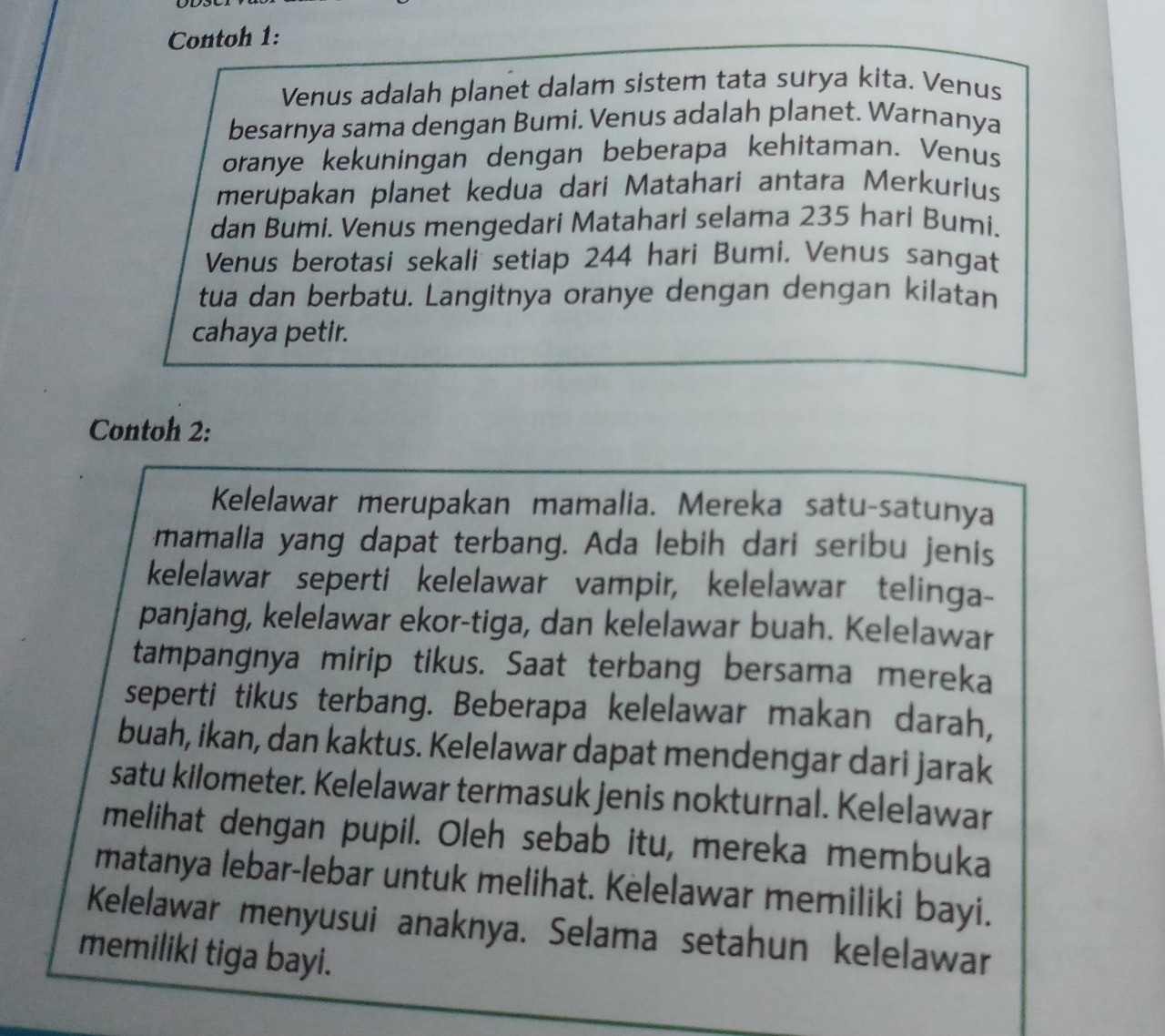
Active and passive sentences in Indonesian language.
In the Indonesian language, one of the units that make up language is the sentence. A sentence is a unit of language that stands relatively on its own, has a final intonation pattern, and is actually or potentially made up of clauses. Based on their types, sentences in Indonesian are divided into 2 categories, namely active sentences and passive sentences.

3 unique arts in Indonesia you might not know about
From Sabang to Merauke, Indonesia has many diverse cultural and artistic traditions. From dance to music to martial arts. And among these arts, there are three very interesting types of traditional arts that you may not be aware of or know about. These three traditional arts are Tari Rantak Kudo, Rampag Parebut Seeng and Mekare-Kare.
